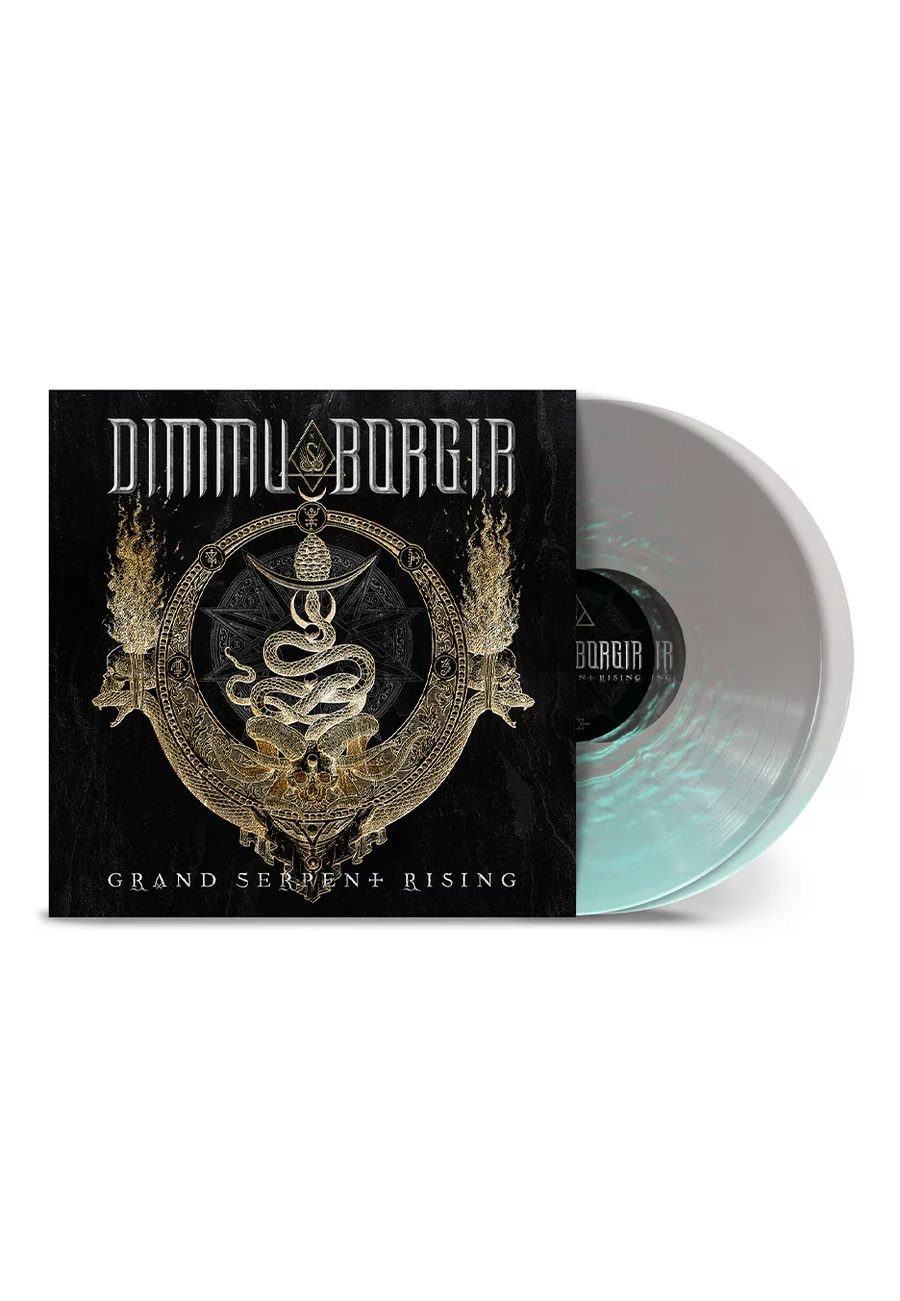
Review: Dimmu Borgir – Grand Serpent Rising
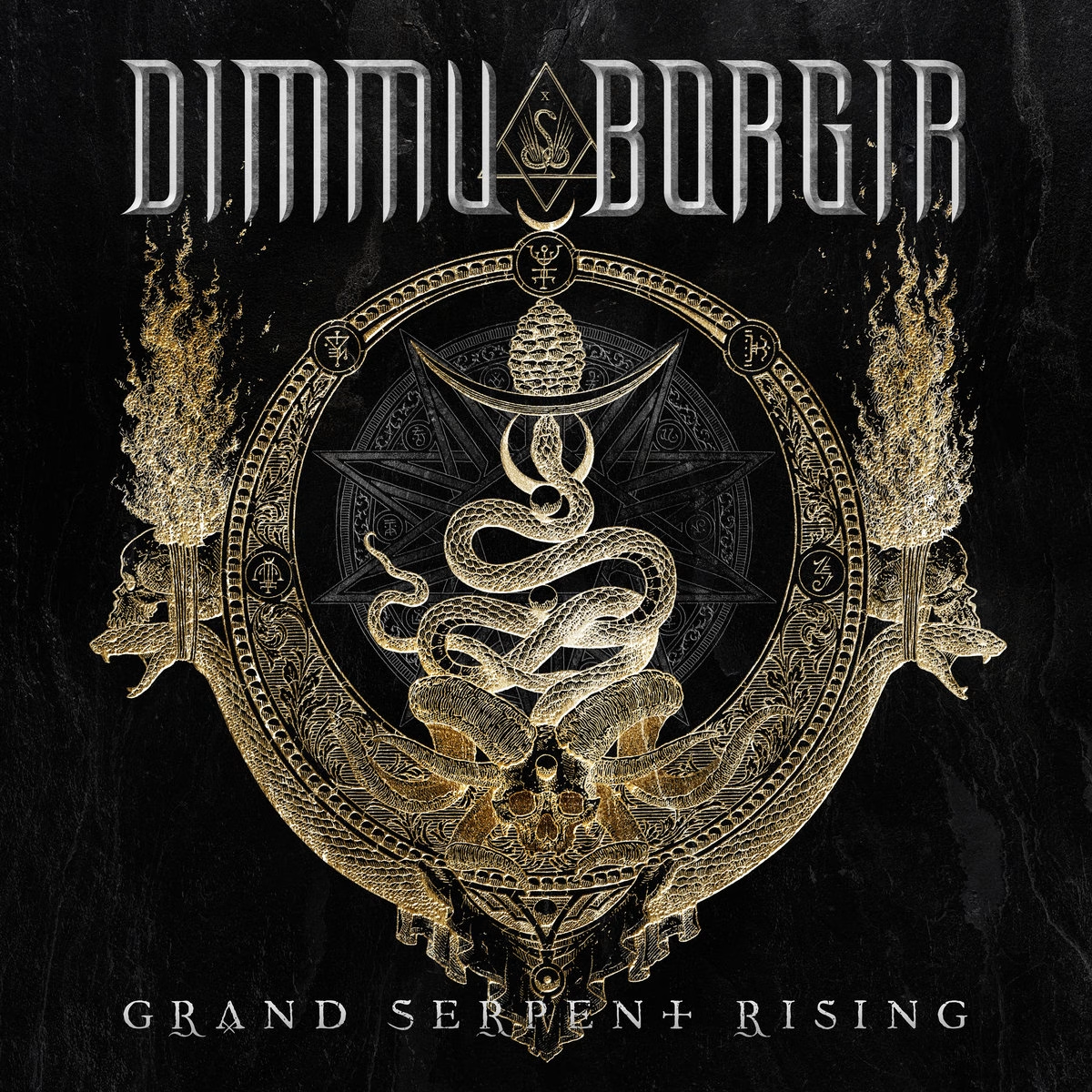
“Grand Serpent Rising” arrives with a curious sense of confidence. Rather than chasing relevance or attempting some grand reinvention, Dimmu Borgir aim to delive an album that sounds remarkably comfortable with its own identity and proves their ongoing relevance in the black metal scene.
The first thing that becomes apparent is the shift in balance. While the orchestral elements remain an integral part of the band’s DNA, they no longer dominate every available inch of space. The guitars finally reclaim some of the spotlight, creating a record that feels closer in spirit to the aggression of “Puritanical Euphoric Misanthropia” and “Death Cult Armageddon” than the densely layered excess of “Eonian” and proves to be a welcome correction. The renewed emphasis on riffs lets the album sound heavier because it allows itself to breathe.
After the cinematic introduction “Tridentium,” the album launches into “Ascent,” one of the strongest songs Dimmu Borgir have written in years. The song captures the band’s enduring talent for combining melodic grandeur with genuine hostility. “As Seen in the Unseen” emerges as a clear centerpiece of the album, a sprawling composition that successfully integrates atmosphere and aggression without feeling forced. Even when the band ventures into familiar territory, the songwriting feels sharper and more focused than it has in decades.
Perhaps the biggest surprise comes from the album’s willingness to embrace elements that had been buried beneath orchestral excess on previous releases. “Ulvgjeld & Blodsodel” and “Slik Minnes En Alkymist” reveal a stronger connection to Scandinavian roots, incorporating folk and pagan influences without descending into self-parody. The Norwegian lyrics add a layer of authenticity that complements the darker, rougher production approach championed by Silenoz during the recording process.
That said, “Grand Serpent Rising” is not without flaws. At nearly seventy minutes, the album suffers from the same tendency toward excess that has occasionally plagued Dimmu Borgir throughout their career. Individual songs often contain enough ideas for two compositions, and while the constant movement keeps things interesting, it can also make songs difficult to remember once the record ends. There are moments where the band mistakes complexity for momentum, particularly in the latter half of the album, where the pacing begins to sag under the weight of its own ambition.
What ultimately elevates “Grand Serpent Rising” above its predecessors is conviction. Dimmu Borgir no longer sound interested in proving themselves to detractors. The departure of Galder could have left a noticeable creative void, yet Shagrath and Silenoz respond by delivering their most focused work in over twenty years. The result is an album that acknowledges every era of the band’s history while avoiding the nostalgia trap. It isn’t revolutionary, and it certainly won’t convert those who dismissed the group long ago, but it demonstrates that there is still life left in the veterans.
“Grand Serpent Rising” succeeds because it remembers that Dimmu Borgir were always at their best when the riffs and the spectacle served each other rather than competing for dominance. The album could have benefited from a stricter edit and a shorter runtime, but its strongest moments rank among the finest material the band has produced since the early 2000s. For a group often accused of coasting on reputation, that is no small achievement.