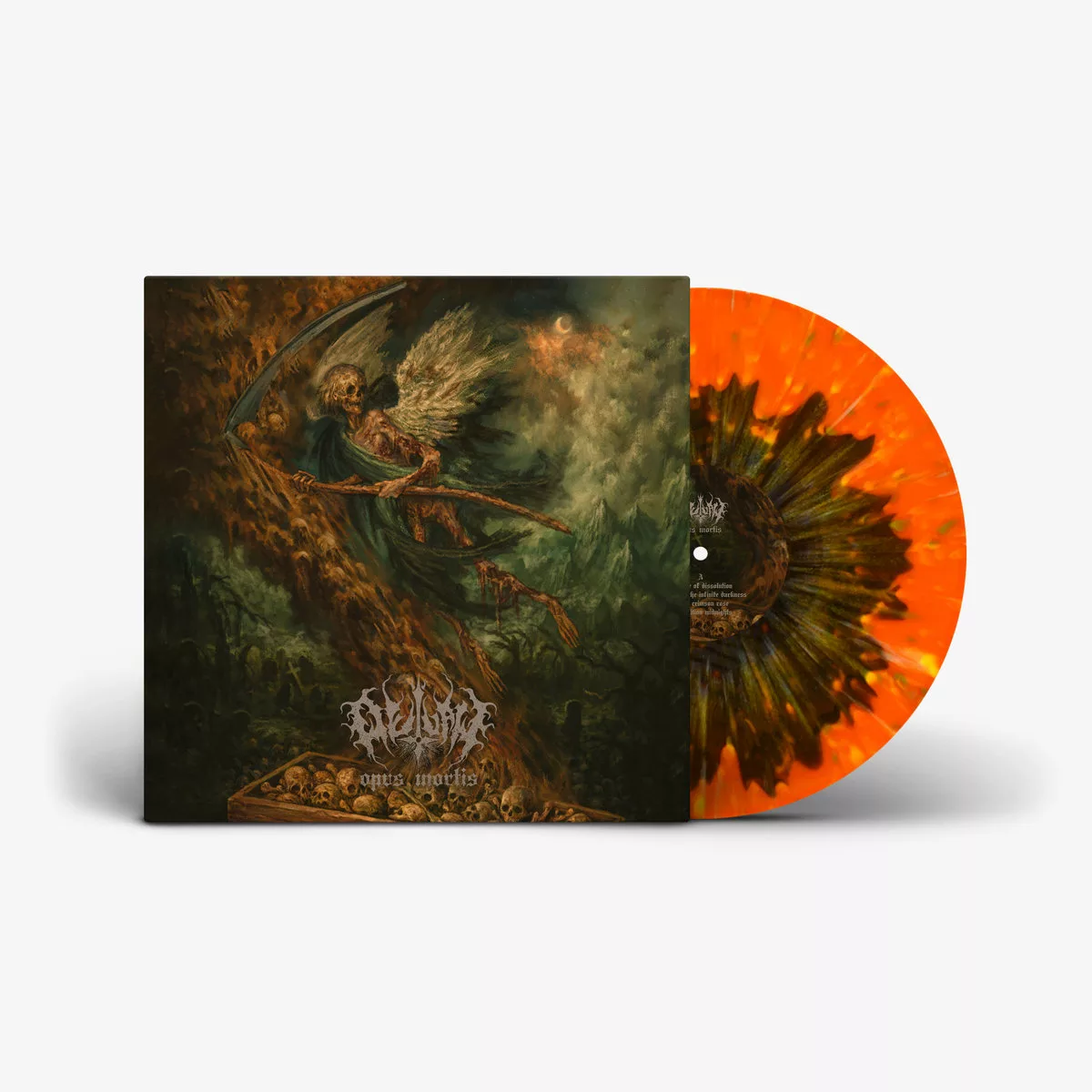
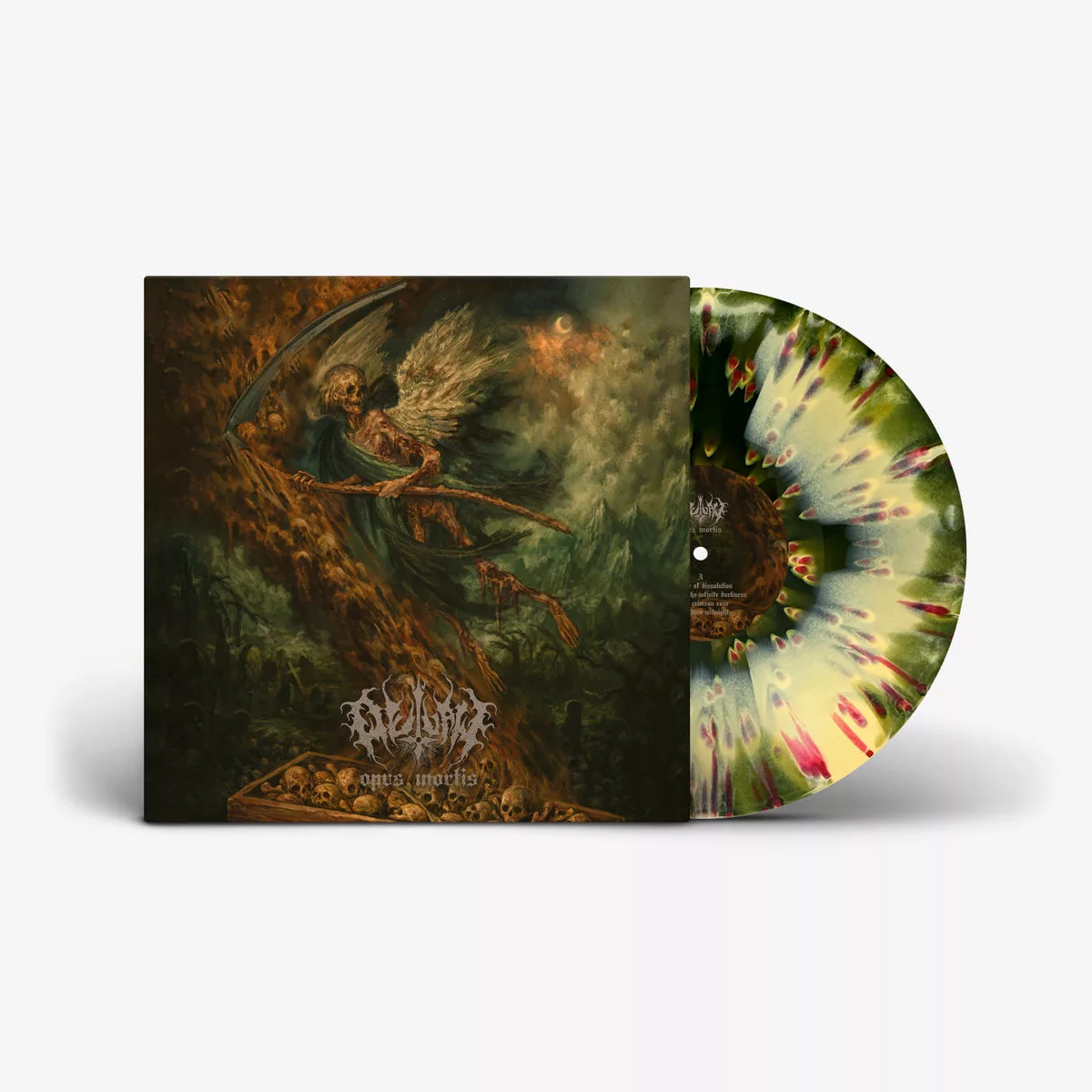
Review: Outlaw – Opus Mortis
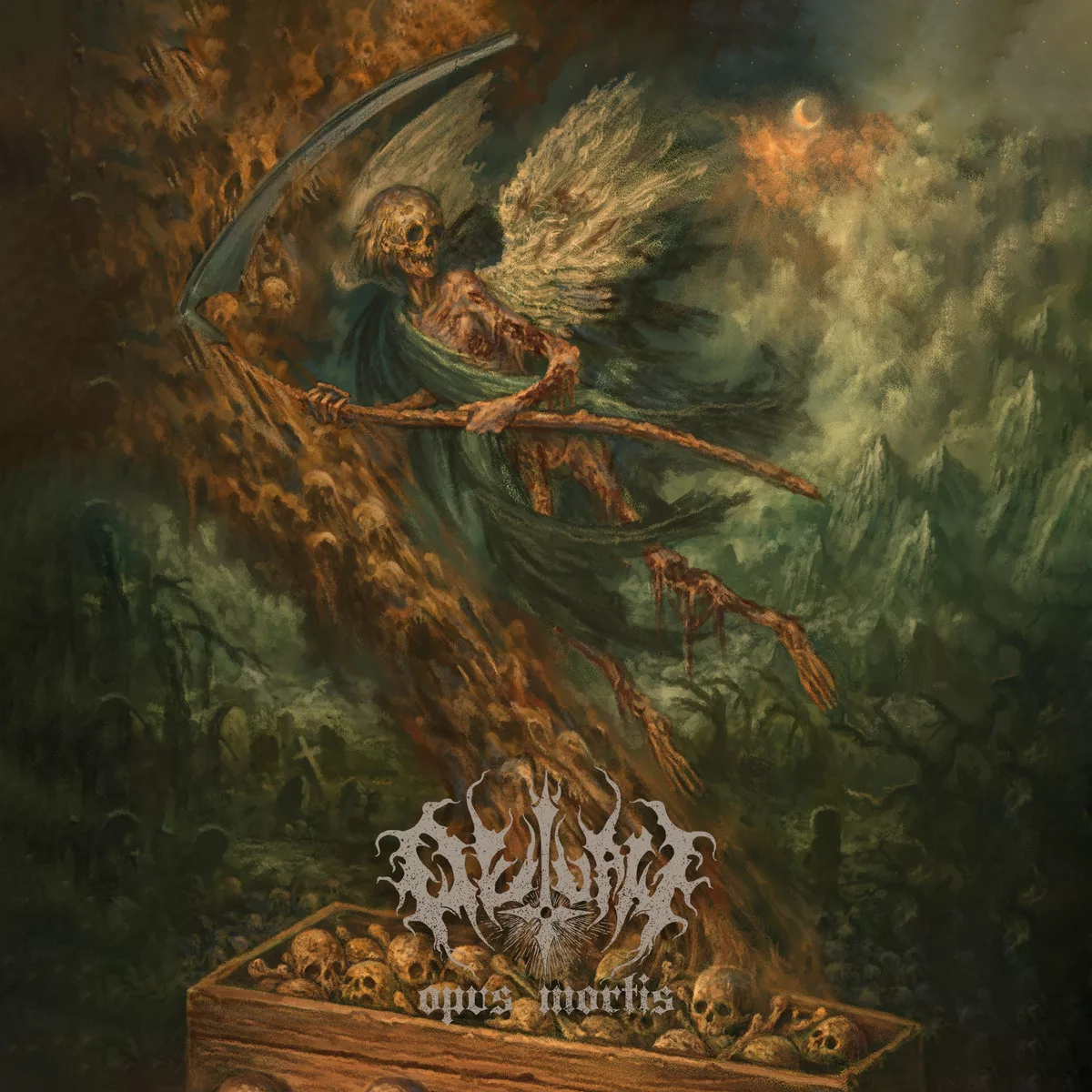
“Opus Mortis” has the fe the first cold breath of early winter sweeping across a barren landscape. Outlaw’s fourth full-length stokes fires on melodic black metal, mixing Swedish-styled melodic aggression with dense atmosphere and hints of old-school fury. Over seven tracks it succeeds in making itself felt, not because it reinvents the wheel, but because it understands how to strike the listener with intent and presence.
Right from “Blaze of Dissolution” the album asserts itself with a brutal momentum. Guitars scrape and surge in twin lines reminiscent of classic Dissection, but there’s enough bite and twist in the riffing to keep it from feeling like tribute alone. The drumming is relentless where it needs to be and pounding all the time, with a fitting raw charme to it. As the record winds through “Through The Infinite Darkness” and “The Crimson Rose”, the band balances raw charge and melodic overtones with conversational ease. There are moments that almost feel cinematic, where synth layers underline cold panoramas of sound, and moments that descend into sheer velocity and aggression.
Where “Opus Mortis” truly shines is in the way it allows space amid the speed. “Those Who Breathe Fire” feels both oppressive and melodic and works because the band understands pacing. “On A Subtle Intimation” the clean guitars and layered melodies build tension before crashing into heavier passages, while the closer “Ruins of Existence” brings a satisfying weight and offers surprising new elements to the Outlaw-formula.
Production here is keenly on point. Rather than flattening everything into a brick of distortion, the mix gives instruments space: guitars cut clear even in thick tremolo sections, drums hit true without washing out, and synths add chilling texture without over-sweetening the sound. Vocals bristle with bite, never buried yet never dominating wholly and sit squarely within the broader soundscape.
If the album has a flaw, it’s one shared by many ambitious black metal records: familiarity. There are stretches where the melodic patterns feel comfortably close to genre template rather than pushing outward into something unknown. That isn’t a fatal flaw, not in a record this engaging, but it keeps “Opus Mortis” from ascending to the rarefied air of true classic status. The band have one foot in homage and one in individuality, and while the balance is often thrilling, there are moments where you feel them weighing both sides instead of melting them together.
Still, “Opus Mortis” is a triumph of craft. It has scope, fury, melody, and enough darkness to make those elements mean something. Outlaw haven’t just made an album; they’ve made a statement: this is black metal that remembers its swedish roots and uses them to create a refined record.